Last-mile delivery: Challenges, logistics solutions, and sustainable mobility
What is last-mile delivery?
Die letzte Meile ist kurz – aber oft der teuerste und aufwändigste Teil der gesamten Lieferkette. Im Onlinehandel macht sie laut aktuellen Statistiken rund 41 % der Logistikkosten aus. Gemeint ist der Transport vom letzten Verteilzentrum bis zur Haustür – ein Abschnitt, der Unternehmen vor große Herausforderungen stellt.
41%
der Logistikkosten entfallen laut aktuellen Statistiken auf die letzte Meile
110 million.
Packages Swiss Post 2010
194 million.
Packages Swiss Post 2022 — almost double
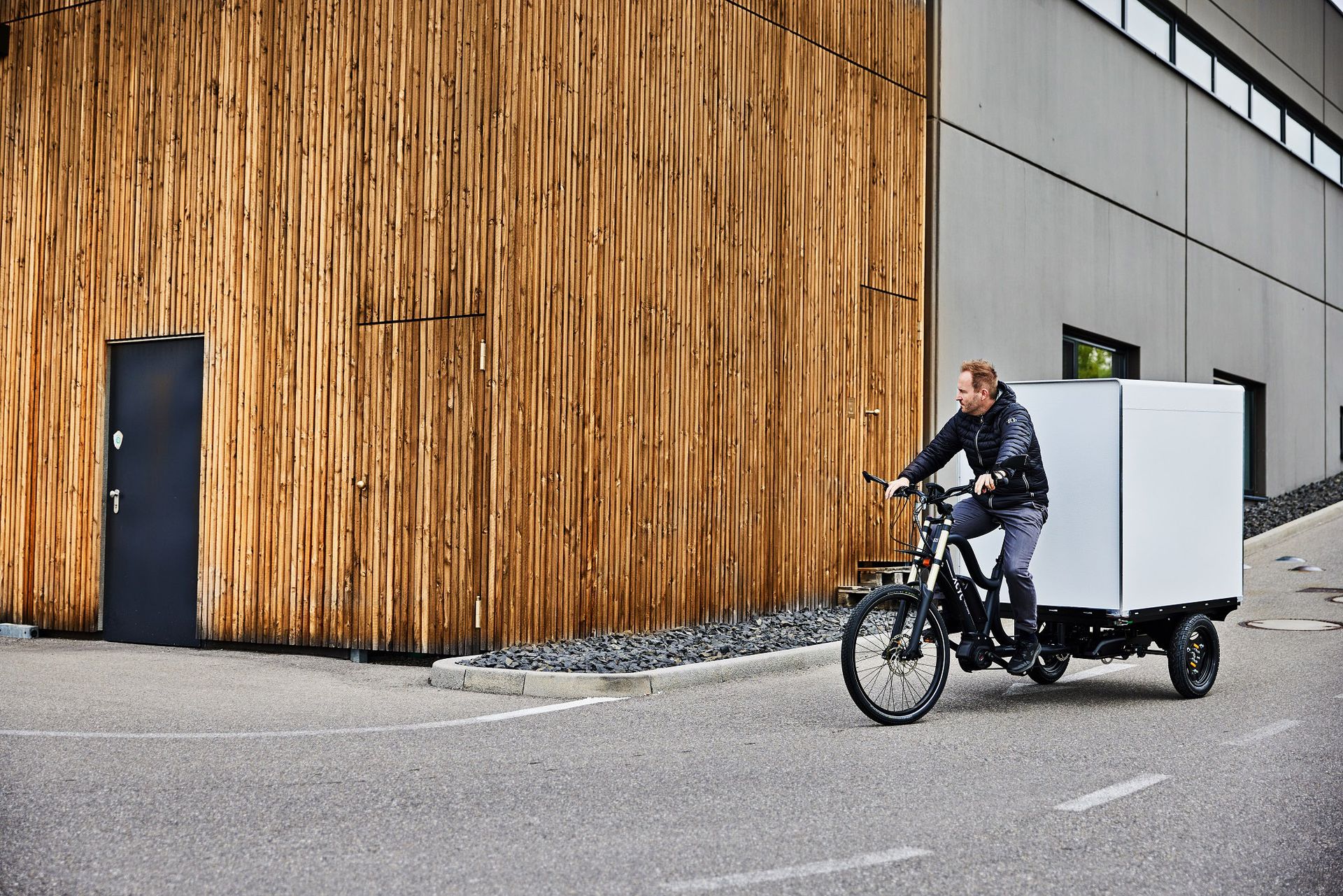
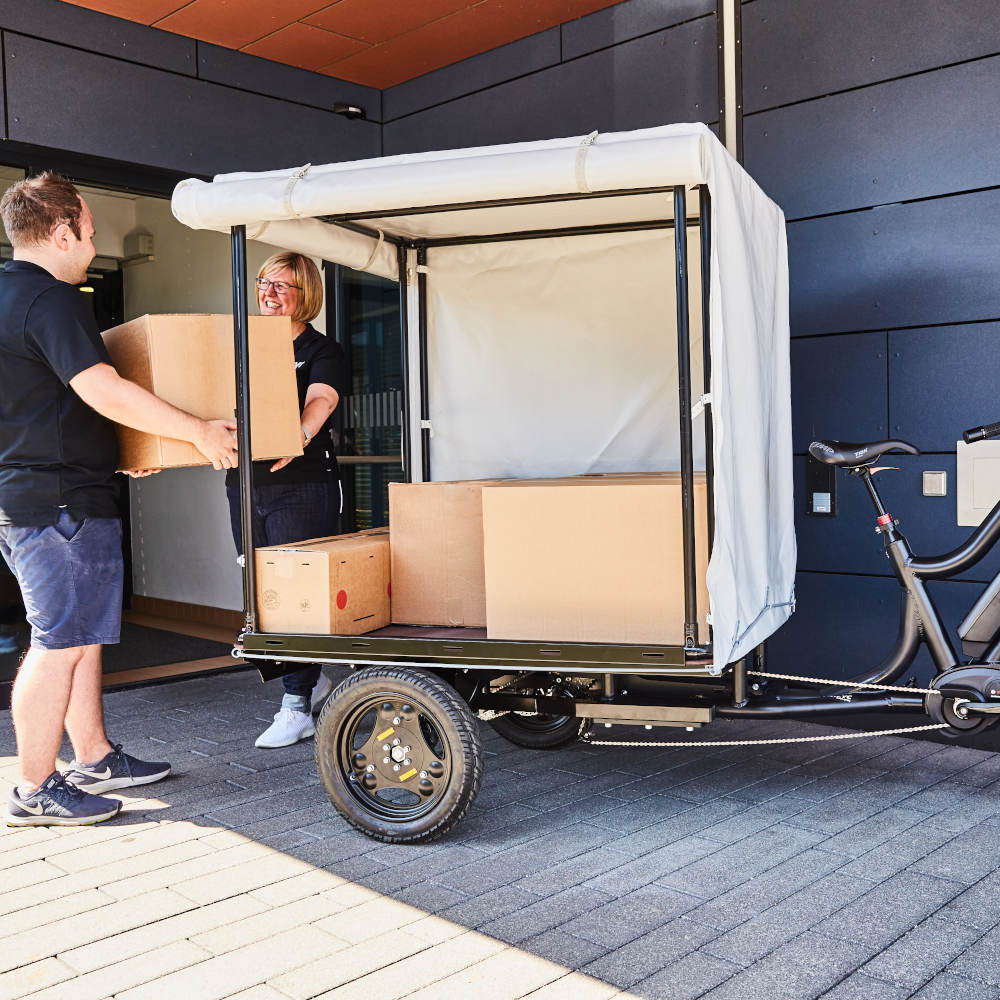
Solutions for efficient and sustainable last-mile delivery
With the new regulations taking effect in July 2025, cargo e-bikes will become even more attractive to the transportation sector in Switzerland. Find out what changes businesses can expect in our article: New Rules for Cargo E-Bikes in Switzerland Starting in July 2025
Verkehrsprobleme in der letzten Meile
In addition to electric vehicles and cargo bikes, companies are increasingly testing new concepts to make last-mile delivery more efficient.
Staus und Parkplatzmangel
Lieferfahrzeuge müssen oft in zweiter Reihe parken oder lange Umwege in Kauf nehmen. Das führt zu Verzögerungen, Strafzetteln und höheren Betriebskosten.
Restrictions due to Environmental Zones
Many cities are tightening access restrictions for diesel vehicles, making conventional delivery concepts increasingly unprofitable.
Competition for Road Space
Delivery vehicles compete with pedestrians, cyclists, and public transport, further reducing delivery efficiency.
Kosten und Wirtschaftlichkeit in der letzten Meile
| Kostentreiber | Ursache |
|---|---|
| Kraftstoff- und Energieverbrauch | Häufiges Anfahren, Stoppen und Leerlaufzeiten erhöhen den Verbrauch erheblich |
| Hoher Personalaufwand | Die manuelle Zustellung benötigt viel Arbeitszeit, was die Kosten zusätzlich steigert |
| Ineffiziente Routen | Lange, unflexible Zustellwege und schlecht genutzte Fahrzeuge führen zu unnötigen Mehrkosten |
Nachhaltigkeitsproblematik in der letzten Meile
The last mile is not a new issue, but it presents companies with new challenges today. Tight deadlines, rising costs, and limited space in cities make delivery more challenging than ever before.
Requirements for last-mile vehicles
Not every vehicle is suitable for the requirements of last-mile logistics. Important criteria are:
Maneuverability in city centers
Vehicles must be flexible and space-saving
Emission-free
Strict environmental regulations require alternative drives
Loading capacity
Optimal ratio between size and loading volume is crucial
3. The role of the last mile in mobility
Delivery traffic shapes the urban landscape today – especially in the last mile. When packages are brought from the depot to the doorstep, bottlenecks occur: too little space, too many vehicles, conflicts with bike and pedestrian traffic. These delivery processes have long influenced overall mobility in our cities. Therefore, the last mile is not only about logistics, but also about transport policy, urban planning, and the question of how deliveries should function in the future without overloading public space.
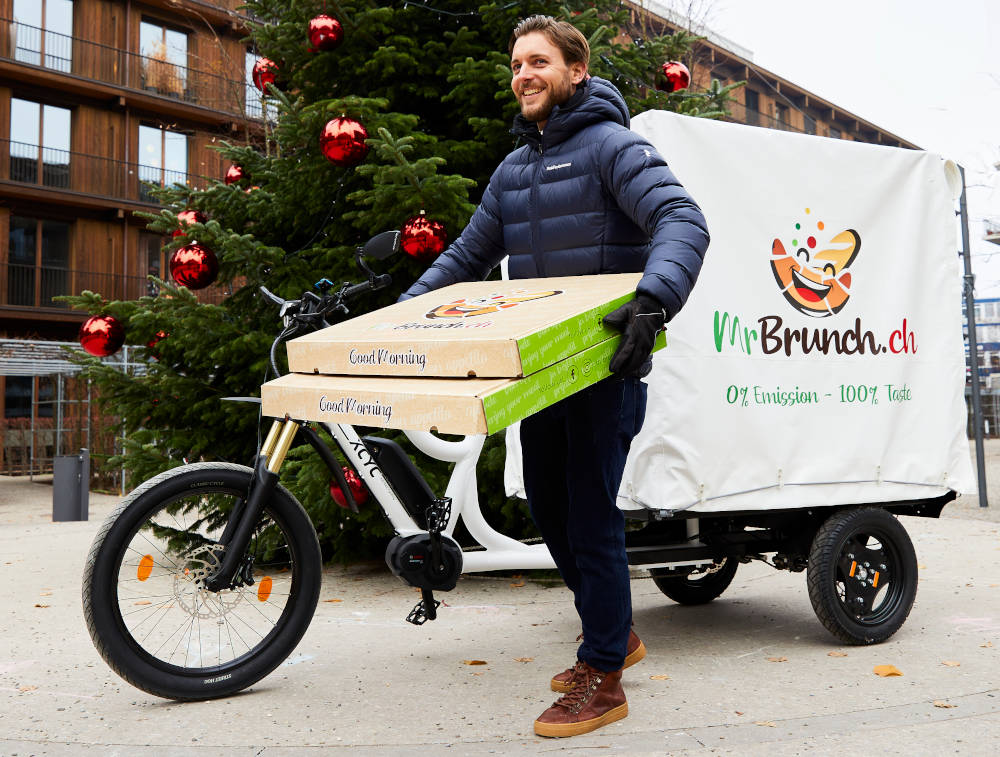
4. Solutions for an efficient and sustainable last mile
To tackle the challenges of the last mile, more and more companies are relying on innovative solutions. Sustainable modes of transport, modern logistics strategies, and digital technologies enable cost reduction and compliance with environmental regulations.
Electric vehicles in the last mile
Electric vehicles play a key role in modern last-mile logistics. They reduce CO₂ emissions, are quieter, and incur lower operating costs than conventional diesel transporters.
Emission-free delivery
No CO₂ burden in urban areas
Lower operating costs
Lower energy and maintenance expenses compared to diesel transporters
Attractive for environmental zones
Unrestricted access to emission-regulated areas
Separator
Separator
Separator
Cargo bikes and e-cargo bikes for the last mile
Cargo bikes are one of the most efficient solutions for sustainable urban logistics. They require no parking spaces, bypass traffic jams, and operate emission-free.
Separator
Separator
Separator
Flexibility
Faster than delivery vehicles in congested city centers
Space-saving
No searching for parking, no double parking, lower traffic burden
Sustainable
CO₂-free and lower operating costs than motorized alternatives
Separator
Separator
Separator
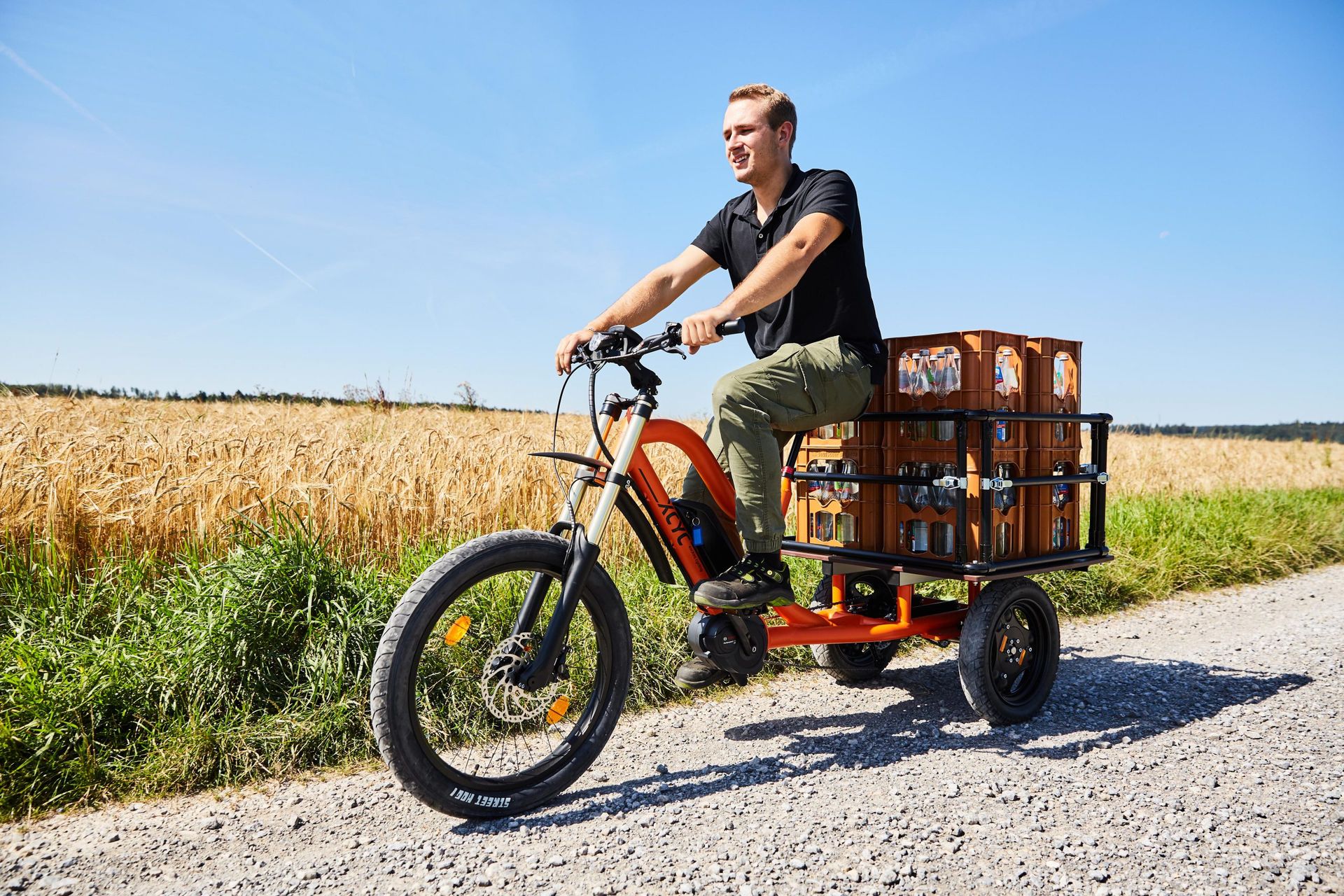
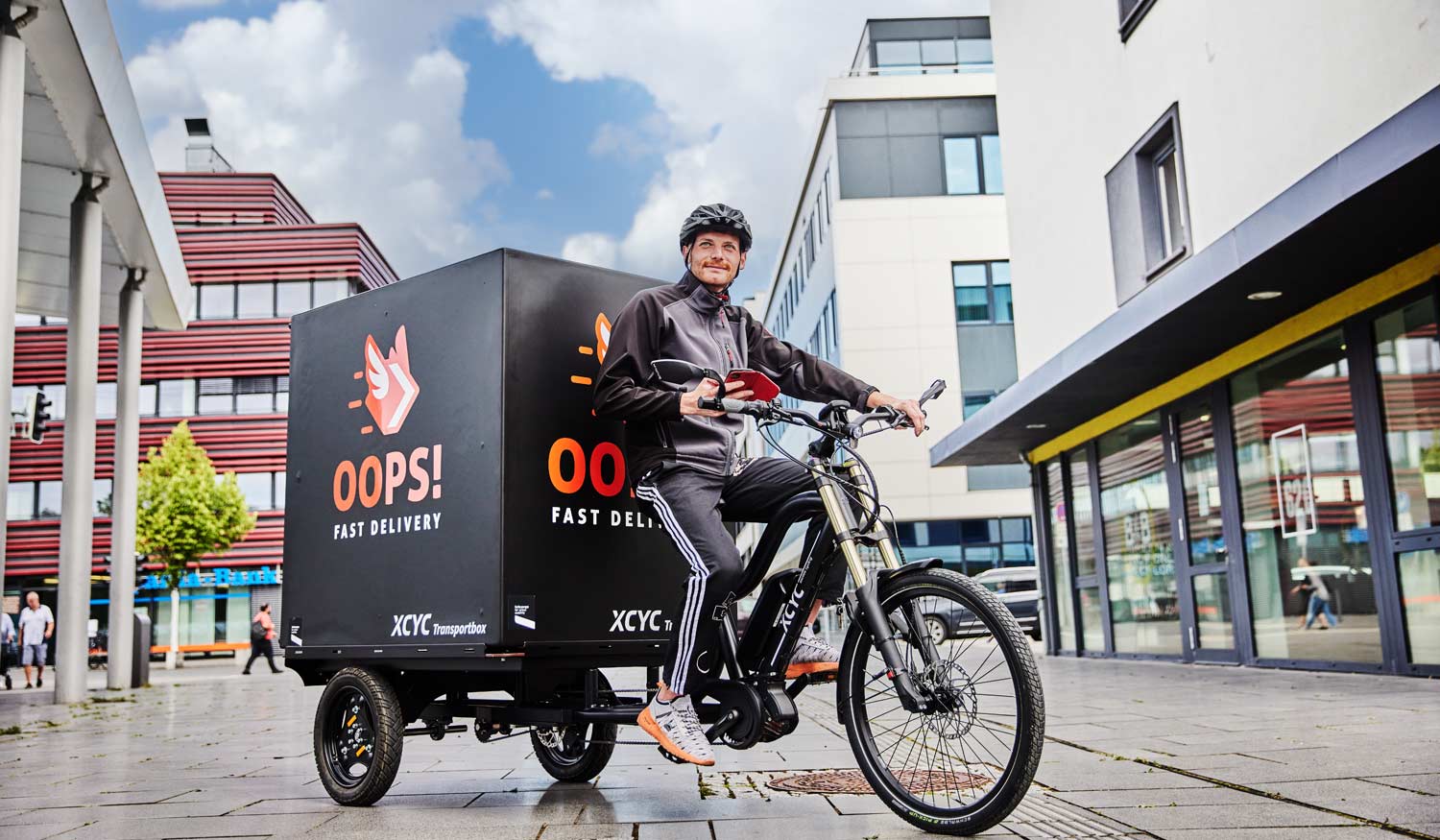
Alternative transport solutions for the last mile
In addition to electric vehicles and cargo bikes, companies are increasingly testing new concepts to make last-mile delivery more efficient.
Separator
Separator
Separator
Separator
Separator
Separator
Micro-depots and logistics centers for the last mile
Micro-depots are small, urban distribution centers that bring packages closer to the end customer and enable more efficient, environmentally friendly delivery.
| Advantage | Effect |
|---|---|
| Reduced travel times | Delivery vehicles no longer have to drive across the city |
| Better use of alternative vehicles | Cargo bikes or small electric vehicles can take over the delivery |
| Lower emissions and traffic congestion | Fewer vans on the roads relieve city traffic |
In combination with intelligent logistics management, both costs and environmental impacts can be significantly reduced.
Technologies for optimizing the last mile
Digital tools and modern technologies play a crucial role in increasing the efficiency of last-mile logistics.
AI-supported route optimization
Artificial intelligence analyzes traffic data in real-time and plans the most efficient delivery routes.
Real-time tracking
Customers can track their orders at any time, while companies can identify bottlenecks early and take proactive action.
Automated delivery solutions
Robotics and machine learning help to further optimize processes and reduce labor costs.
Separator
Separator
Separator
5. Legal developments and regulations for the last mile
Politics plays an increasingly larger role in shaping last-mile logistics. Stricter environmental regulations and new rules influence which modes of transport and delivery concepts can be used in the future.
Separator
Separator
Separator
CO₂ reduction targets and environmental zones
Many cities are introducing driving bans for diesel vehicles and promoting emission-free delivery methods. Companies must therefore switch to electric vehicles or cargo bikes.
Funding programs for sustainable logistics
Government subsidies support the purchase of electric vehicles, the expansion of charging infrastructure, and the establishment of micro-depots.
New working guidelines for couriers
Stricter working time regulations and better social security for delivery personnel could change the industry and increase pressure on companies to develop more efficient systems.
Separator
Separator
Separator
Conclusion: last mile delivery in transition
The last mile is not a new topic, but it presents new challenges for companies today. High time pressure, rising costs, and limited space in cities make delivery more demanding than ever.
At the same time, new opportunities are continuously arising to work more efficiently and flexibly – whether through better-planned routes, the targeted use of electric vehicles, or through logistically sensible handover points. Those who know their processes well and are willing to further develop them can not only work more economically on the last mile but also noticeably improve everyday life for customers and delivery personnel.
Do you want to know how to make the last mile in your company more efficient?
View XCYC Cargo E-Bike
XCYC enquiry
Tell us what you need a cargo e-bike for and we will be happy to advise you.
Thank you, we have received your request.
We will get back to you as soon as possible. You will receive a confirmation with your ticket number by email.